
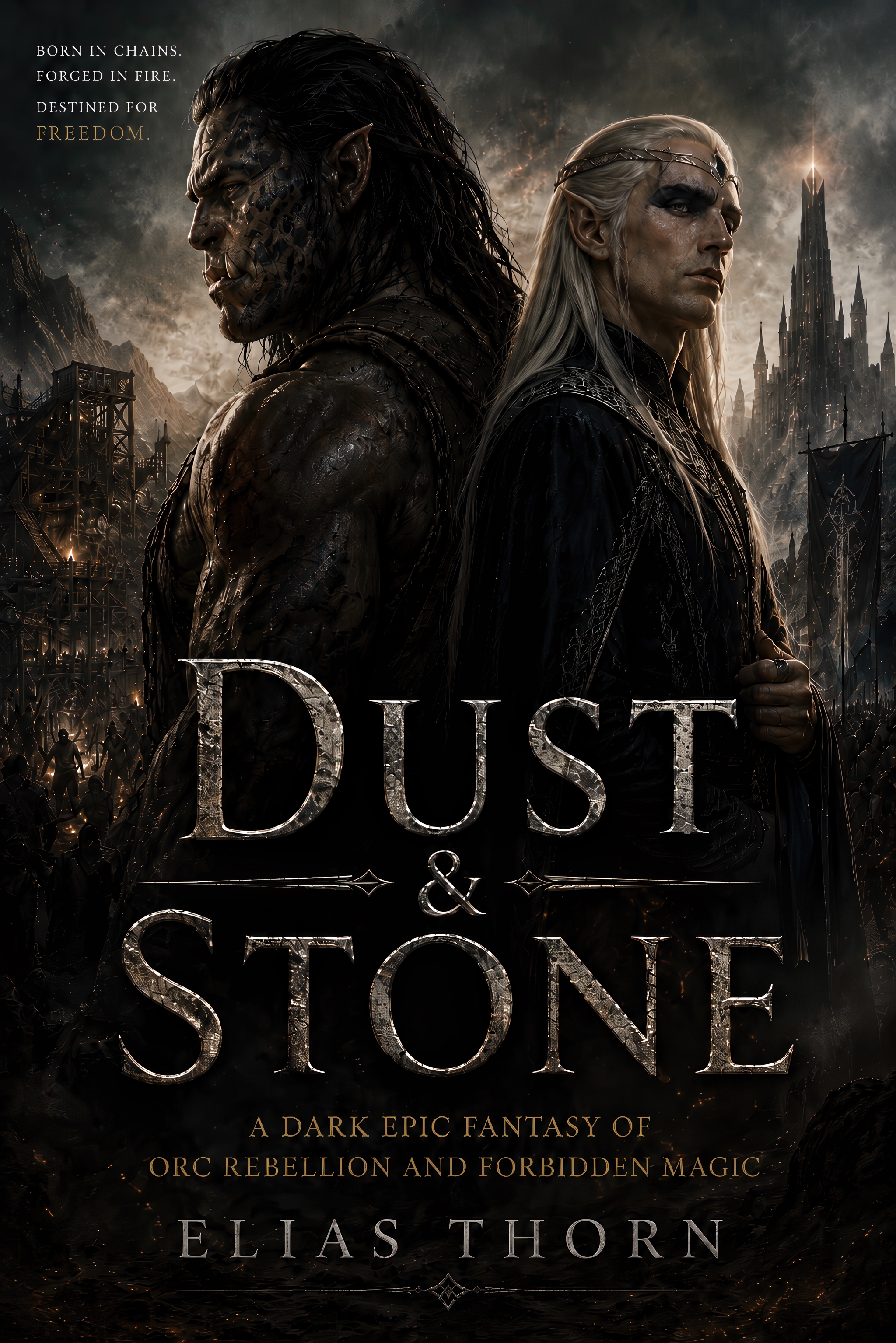
Few rivalries in fantasy literature are as iconic as the conflict between orcs and elves. For decades, these two races have represented opposing forces in countless novels, games, and fantasy worlds. Elves are often portrayed as graceful, ancient, and refined, while orcs are depicted as fierce, resilient, and deeply connected to survival and strength.
While the details vary from one fantasy setting to another, the clash between orcs and elves remains one of the genre’s most enduring themes. What makes this rivalry particularly fascinating is that modern fantasy has begun moving beyond simple good-versus-evil narratives, exploring the deeper cultural, political, and historical reasons behind these conflicts.
Today, some of the most compelling fantasy stories use the relationship between orcs and elves to explore themes of prejudice, conquest, identity, and resistance.
Where Did the Orc vs Elf Rivalry Begin?
The roots of the rivalry can be traced back to some of fantasy’s earliest influences.
Many fantasy worlds draw inspiration from mythology, folklore, and the works of pioneering fantasy authors who established many of the genre’s familiar conventions. Over time, elves became associated with beauty, longevity, magic, and civilization, while orcs often represented strength, conflict, and life on the margins of society.
These contrasting traits naturally created tension.
As fantasy literature evolved, authors increasingly used these differences to build larger cultural and political conflicts between the two races. What began as a simple opposition gradually developed into one of fantasy’s most recognizable storytelling devices.
Two Very Different Worldviews
One reason the rivalry continues to resonate is that elves and orcs often represent fundamentally different ways of viewing the world.
In many fantasy settings, elves value tradition, knowledge, order, and long-term planning. Their extended lifespans allow them to think in terms of centuries rather than years.
Orcs, by contrast, are often portrayed as adaptable survivors shaped by hardship and immediate challenges. Their societies frequently emphasize strength, loyalty, resilience, and community.
Neither perspective is inherently right or wrong.
Instead, the conflict emerges from competing priorities and different understandings of what constitutes a successful society. This complexity allows modern fantasy authors to create more nuanced stories that move beyond simplistic stereotypes.
Conquest and Colonization in Fantasy
One of the most interesting developments in modern fantasy has been the use of orc-elf conflicts to explore themes of conquest and colonization.
Rather than portraying elves as unquestionably noble and orcs as inherently violent, many contemporary authors examine what happens when powerful civilizations expand at the expense of others.
In these stories, the conflict often centers on questions of cultural survival, political control, and historical memory.
This approach creates richer narratives because it encourages readers to consider multiple perspectives rather than accepting a single version of events.
Dust & Stone and the Cost of Conquest
A powerful example of this modern approach can be found in Dust & Stone.
The novel presents the Kethri, a once-proud race of orcs who have spent fifty years enslaved beneath the mountains by the elven Dominion. Through conquest and ancient silver magic, the elves have stripped the Kethri of their freedom, forbidden their language, and systematically erased their culture.
At the center of the story is Vorrick, a young orc whose personal tragedy places him on a path toward rebellion.
What makes the conflict particularly compelling is that it extends beyond military domination. The Kethri are not simply fighting for territory. They are fighting to preserve their identity, recover their history, and reclaim everything that has been taken from them.
This dynamic transforms the traditional orc-versus-elf rivalry into a much deeper exploration of oppression, resistance, and cultural survival.
👉 Learn more about Dust & Stone: https://a.co/d/0hGuId6e
Why Readers Love Orc and Elf Conflicts
The enduring popularity of this rivalry stems from several factors.
High Stakes
Conflicts between orcs and elves often involve entire civilizations, creating epic stakes that naturally suit fantasy storytelling.
Cultural Contrast
The differences between the two races allow authors to explore competing values, traditions, and political systems.
Emotional Investment
When the conflict involves identity, history, and survival, readers become invested in more than just the outcome of battles.
Endless Variety
Every fantasy world approaches the rivalry differently. Some portray elves as heroes and orcs as villains, while others reverse those roles or blur the distinction entirely.
This flexibility ensures that the trope remains fresh despite its long history.
Modern Fantasy Has Changed the Narrative
One of the biggest shifts in contemporary fantasy has been the increasing willingness to challenge traditional assumptions.
Many modern stories no longer treat elves as automatically virtuous or orcs as inherently savage. Instead, both races are portrayed as complex societies capable of greatness and cruelty.
This change allows for more interesting storytelling.
Readers are encouraged to evaluate characters based on their actions rather than their race, creating narratives that feel more realistic and emotionally engaging.
Books like Dust & Stone exemplify this trend by presenting the Kethri as sympathetic protagonists while examining the darker aspects of imperial conquest.
Other Notable Orc and Elf Rivalries
Fantasy literature offers countless examples of memorable conflicts between these races.
Some focus on open warfare and large-scale battles, while others explore political tension, cultural misunderstandings, or personal relationships between individual characters.
The best examples use the rivalry as a vehicle for exploring larger themes rather than relying solely on combat. This approach creates stories that remain engaging long after the final battle has ended.
Why the Rivalry Endures
At its core, the conflict between orcs and elves endures because it reflects universal themes.
Questions about identity, belonging, power, prejudice, and cultural survival are not unique to fantasy. They are issues that resonate with readers regardless of setting.
By placing these themes within fantastical worlds, authors can explore difficult ideas in ways that feel accessible and engaging.
As fantasy continues to evolve, the rivalry itself evolves alongside it, becoming more nuanced and more meaningful with each new interpretation.
Final Thoughts
The conflict between orcs and elves remains one of fantasy’s most powerful storytelling tools because it offers endless opportunities for exploration and reinvention. What once served as a simple clash between heroes and villains has become a framework for examining culture, power, history, and identity.
Modern fantasy has transformed the rivalry into something far richer than its earliest incarnations, allowing readers to see both races as fully realized societies with their own strengths, flaws, and perspectives.
For readers interested in seeing this evolution at its best, Dust & Stone provides a compelling example. Through the struggle between the Kethri and the elven Dominion, the novel demonstrates how a familiar fantasy conflict can be used to tell a deeply emotional and thought-provoking story.
👉 Discover Dust & Stone on Amazon: https://a.co/d/0hGuId6e
Frequently Asked Questions
Why are orcs and elves enemies in fantasy?
The rivalry often stems from cultural differences, competing values, territorial conflicts, and historical grievances that vary depending on the fantasy world.
Are elves always the heroes in fantasy?
No. Modern fantasy increasingly portrays elves as complex characters capable of both noble and oppressive actions.
What book features a major orc and elf conflict?
Dust & Stone centers on the struggle between the Kethri orcs and the elven Dominion, making it a strong example of the trope.
Why do readers enjoy orc versus elf stories?
The rivalry combines epic stakes, cultural conflict, and emotional themes that create compelling fantasy narratives.
Has the portrayal of orcs and elves changed over time?
Yes. Modern fantasy often presents both races with greater nuance, moving beyond simple good-versus-evil stereotypes.
Leave a Reply