
Fantasy literature has always featured memorable races, from elves and dwarves to dragons and giants. Yet few fantasy races have undergone a transformation as remarkable as the orc. Once confined largely to the role of villain, the modern orc has become one of fantasy’s most compelling protagonists.
Today, readers are increasingly seeking out orc-centered stories that explore complex cultures, emotional character arcs, and themes far deeper than simple battlefield conflicts. The rise of books like The Grey Bastards, Orcs, and Dust & Stone demonstrates that readers are eager for stories that challenge traditional fantasy assumptions.
So why has orc fantasy become so popular?
The answer lies in the unique strengths that orc protagonists bring to the genre.
Orc Fantasy Offers Fresh Perspectives
One of the biggest reasons readers enjoy orc fantasy is that it offers a perspective that feels different from traditional fantasy stories.
For decades, fantasy largely focused on human heroes, noble kings, legendary warriors, and chosen ones. While those stories remain popular, many readers now crave new viewpoints and experiences.
Orcs naturally provide that opportunity.
Because they have historically been portrayed as outsiders, their stories often explore the world from a unique angle. Readers are invited to see events through the eyes of characters who are frequently misunderstood, feared, or marginalized.
This shift creates stories that feel fresh even when they explore familiar fantasy themes.
Orcs Make Exceptional Underdogs
Readers love underdog stories.
Orc protagonists frequently begin their journeys at a disadvantage. They may face prejudice, political oppression, cultural erasure, or overwhelming military odds.
These challenges make it easy to root for them.
Unlike characters who begin with power and privilege, many orc heroes must earn every victory through determination, sacrifice, and resilience. Their struggles feel meaningful because success is never guaranteed.
The result is a stronger emotional connection between reader and protagonist.
Orc Fantasy Explores Identity
Many of the best orc fantasy novels explore questions of identity.
Who are we?
Where do we belong?
What traditions are worth preserving?
How do we maintain our culture when powerful forces seek to erase it?
These themes resonate strongly with readers because they extend beyond fantasy and touch on universal human experiences.
The best orc stories use fantasy settings to explore these questions in powerful and memorable ways.
Dust & Stone and Cultural Survival
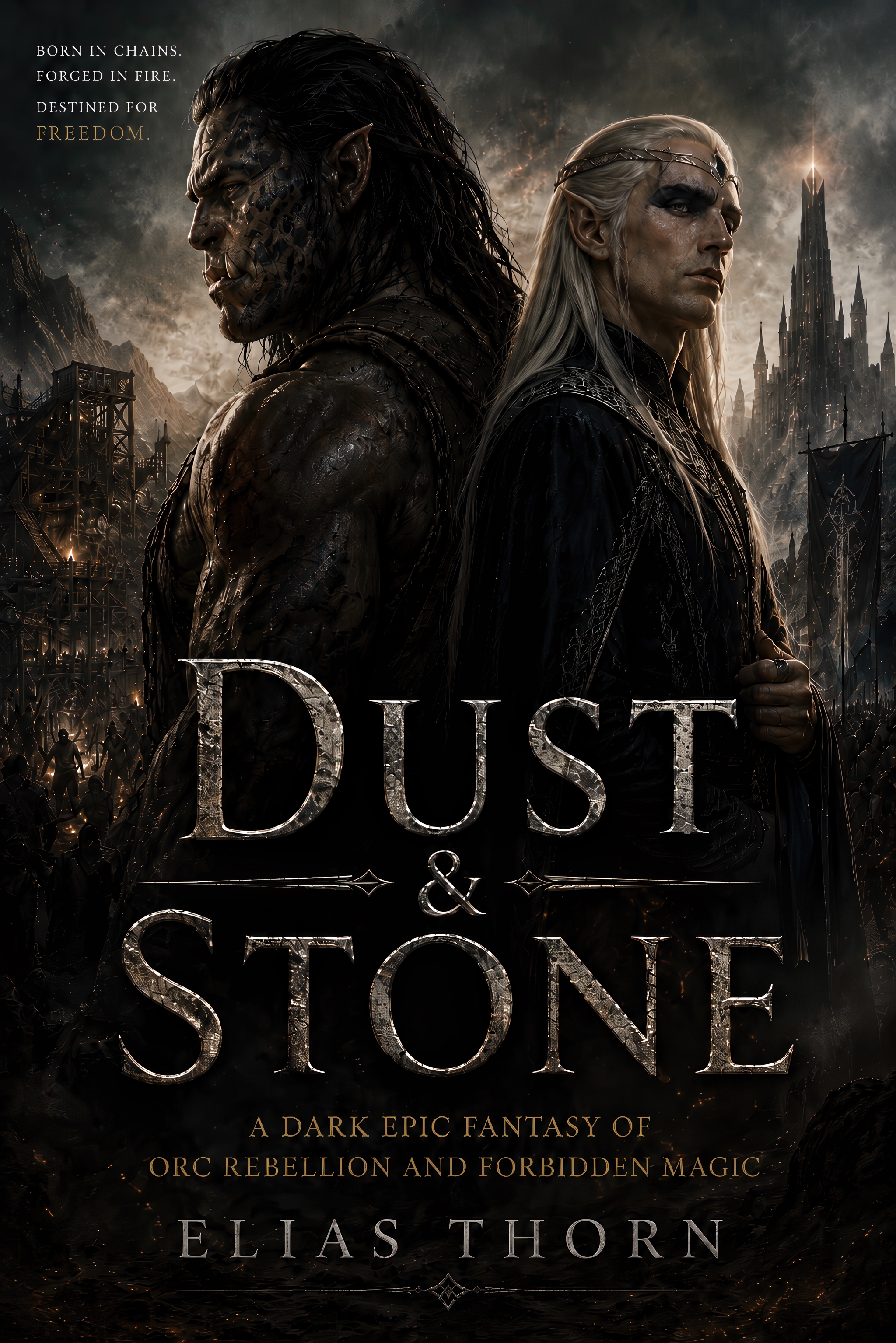
A particularly strong example can be found in Dust & Stone.
The novel follows the Kethri, a race of orcs enslaved beneath the mountains by the elven Dominion. For fifty years, their language has been outlawed, their traditions suppressed, and their history systematically erased.
As Vorrick begins uncovering forgotten truths about his people, the story becomes about more than rebellion. It becomes a fight for cultural survival.
The Kethri are not simply trying to escape slavery. They are trying to remember who they are.
This combination of personal struggle, cultural identity, and epic fantasy conflict helps explain why so many readers connect with modern orc fantasy.
👉 Learn more about Dust & Stone: https://a.co/d/0hGuId6e
Orcs Challenge Traditional Fantasy Stereotypes
Modern readers increasingly appreciate stories that challenge assumptions.
Orc fantasy excels at this because it transforms one of fantasy’s oldest stereotypes into something far more nuanced.
Rather than presenting orcs as monsters, contemporary fantasy portrays them as:
- Leaders
- Parents
- Scholars
- Revolutionaries
- Survivors
- Heroes
This shift creates richer storytelling opportunities while encouraging readers to reconsider long-held expectations.
Orc Fantasy Often Features Strong Communities
Another reason readers enjoy orc fantasy is the emphasis on community.
Many orc cultures place a strong focus on family, clan loyalty, tradition, and collective responsibility. These elements create emotional stakes that extend beyond individual characters.
When an orc protagonist fights for freedom, they are often fighting for an entire people rather than personal glory.
That broader purpose gives many orc-centered stories additional emotional weight.
The Rise of Morally Complex Heroes
Modern fantasy readers increasingly favor protagonists who are flawed and realistic.
Orc heroes often fit this preference perfectly.
They make mistakes.
They struggle with anger and grief.
They face impossible choices.
They occasionally fail.
Yet they continue moving forward despite those challenges.
This complexity makes them feel authentic and relatable, even within fantastical settings.
Why Orc Fantasy Continues Growing
The popularity of orc fantasy shows no signs of slowing down.
Readers continue seeking stories that combine epic worldbuilding with meaningful themes and emotionally rich characters. Orc-centered narratives provide all of these elements while offering perspectives that remain relatively underexplored compared to traditional fantasy archetypes.
As more authors embrace orc protagonists, the subgenre continues expanding and evolving.
Final Thoughts
Orc fantasy has grown far beyond its origins as a collection of villain-centered stereotypes. Today’s orc stories explore identity, freedom, belonging, cultural survival, and resilience through some of fantasy’s most compelling protagonists.
Readers love orc fantasy because it offers fresh perspectives, emotionally engaging characters, and stories that challenge traditional assumptions while remaining deeply rooted in the epic imagination that defines the genre.
Books like Dust & Stone demonstrate exactly why the subgenre continues gaining momentum. Through the story of Vorrick and the Kethri, readers experience an unforgettable journey that highlights everything modern orc fantasy does best.
👉 Get your copy of Dust & Stone: https://a.co/d/0hGuId6e
Frequently Asked Questions
What is orc fantasy?
Orc fantasy is a fantasy subgenre that focuses on orc characters, cultures, and perspectives rather than treating orcs solely as villains.
Why is orc fantasy becoming popular?
Readers enjoy fresh perspectives, complex protagonists, rich worldbuilding, and themes such as identity and freedom.
Is Dust & Stone an orc fantasy novel?
Yes. The novel centers on the Kethri, an oppressed orc civilization fighting to reclaim its freedom and cultural identity.
What are some popular orc fantasy books?
Popular examples include Dust & Stone, The Grey Bastards, Orcs, and several Warcraft novels.
What themes are common in orc fantasy?
Identity, belonging, resilience, cultural survival, freedom, leadership, and resistance are among the most common themes.
Leave a Reply