
For much of fantasy history, orcs occupied a familiar role. They were the faceless armies charging across battlefields, the monsters lurking beyond civilization, or the disposable enemies standing between heroes and victory. While these portrayals became iconic, they rarely allowed orcs to exist as fully developed characters with their own cultures, histories, and perspectives.
That has changed dramatically over the past decade.
Today, some of fantasy’s most compelling stories place orcs at the center of the narrative rather than at its edges. Readers are increasingly drawn to books that challenge traditional fantasy conventions, and authors have responded by creating richer, more nuanced portrayals of races that were once treated as little more than obstacles for human protagonists.
The result is a growing wave of orc-centered fantasy that offers some of the genre’s most thought-provoking stories.
From Monsters to Main Characters
Classic fantasy often relied on clear distinctions between heroes and villains. Orcs frequently served as symbols of chaos or destruction, with little attention paid to their motivations or cultures.
Modern fantasy has largely moved away from this approach.
Instead of asking readers to see orcs as monsters, contemporary authors are exploring what life looks like from their perspective. These stories examine what happens when a people are marginalized, displaced, conquered, or misunderstood. They ask readers to question assumptions and consider whose version of history has been preserved.
This shift has created opportunities for richer storytelling. When orcs become protagonists rather than antagonists, their struggles become personal, their victories become meaningful, and their cultures become worthy of exploration.
Readers Want More Complex Fantasy Worlds
Fantasy audiences have evolved significantly over the years. Many readers now seek stories that offer moral complexity rather than simple good-versus-evil conflicts.
Orc-centered fantasy naturally lends itself to this kind of storytelling.
Because orcs have traditionally been portrayed as outsiders, stories focused on them often explore themes such as prejudice, colonization, identity, and survival. These themes resonate with modern readers who appreciate fantasy that reflects real-world struggles while still delivering adventure and escapism.
The best examples of the subgenre balance action and worldbuilding with deeper emotional and social themes, creating stories that feel both entertaining and meaningful.
The Appeal of Rebellion Narratives
One reason orc fantasy has become increasingly popular is its connection to rebellion stories.
Many modern orc-centered novels focus on characters fighting against systems of oppression, reclaiming lost identities, or challenging the powers that have marginalized them. These narratives create natural emotional stakes because readers understand what is being fought for and what could be lost.
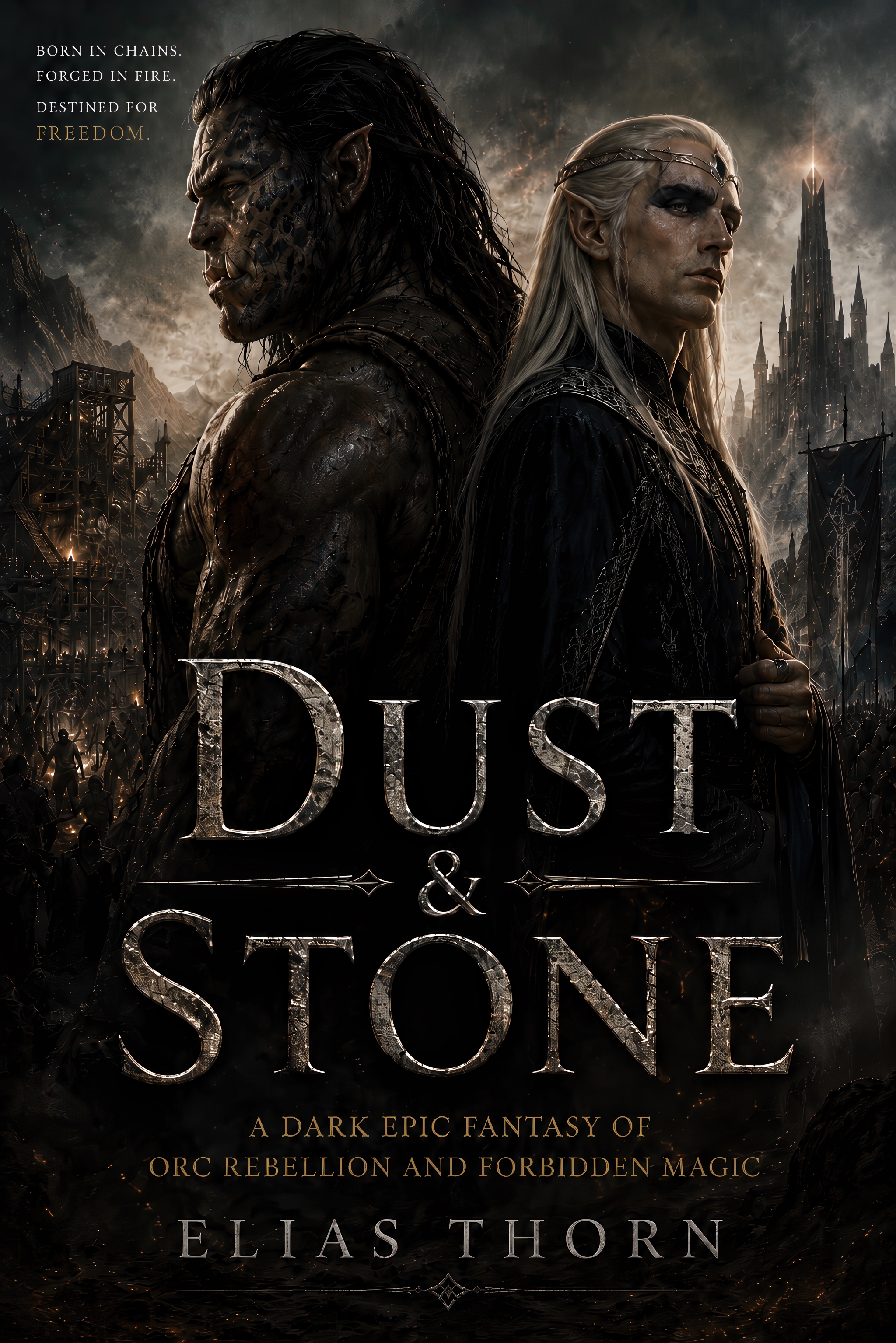
A strong example is Dust & Stone, which follows the Kethri, a race of orcs enslaved beneath the mountains by an elven Dominion. Stripped of their language, culture, and freedom, they must decide whether liberation is worth the sacrifices required to achieve it.
Rather than portraying orcs as villains, the novel positions them as victims of conquest who are struggling to reclaim their history and identity. This perspective adds emotional depth to the story while demonstrating how far the genre has evolved.
👉 Learn more about Dust & Stone: https://a.co/d/0hGuId6e
Orc Cultures Have Become More Sophisticated
Another major reason for the rise of orc fantasy is the increasing sophistication of worldbuilding.
Today’s fantasy authors are creating detailed orc societies with unique traditions, religions, languages, and political structures. These cultures often feel as developed as the human kingdoms that once dominated fantasy literature.
Readers enjoy discovering how different authors reinterpret familiar fantasy races. Some portray orcs as fierce warriors bound by honor. Others depict them as survivors adapting to hostile environments or navigating complex political systems.
This variety keeps the subgenre fresh and ensures that no two orc-centered stories feel exactly alike.
Fantasy Readers Love Underdogs
Underdog stories have always been popular, and orc protagonists often embody that appeal.
Whether they are fighting prejudice, resisting oppression, or attempting to overcome centuries of negative stereotypes, orc characters frequently begin their journeys at a disadvantage. Readers naturally root for characters who must work harder to achieve their goals, especially when those characters are confronting systems larger than themselves.
The best orc fantasy stories use this dynamic to create emotionally satisfying character arcs. Watching a character reclaim their dignity, protect their people, or challenge impossible odds can be every bit as compelling as watching a hero defeat a dragon.
The Influence of Grimdark and Dark Fantasy
The rise of grimdark and dark fantasy has also contributed to the popularity of orc-centered narratives.
Authors such as Joe Abercrombie and John Gwynne helped popularize stories filled with moral ambiguity, political conflict, and complex characters. Orc protagonists fit naturally within these worlds because they often exist in morally complicated circumstances.
Rather than focusing on chosen ones and prophecies, many orc fantasy novels emphasize survival, sacrifice, and difficult choices. This approach appeals to readers who enjoy fantasy that feels unpredictable and emotionally grounded.
What Makes a Great Orc Fantasy Novel?
While every reader has different preferences, the strongest orc fantasy novels tend to share several qualities:
Rich Worldbuilding
The best stories create believable cultures, histories, and social structures that make the world feel alive.
Complex Characters
Readers want protagonists who feel like real people with flaws, strengths, and meaningful goals.
Meaningful Themes
Many standout orc fantasy books explore themes such as identity, freedom, oppression, family, and belonging.
Emotional Stakes
The strongest stories make readers care about what happens to the characters, not just the outcome of battles.
Fresh Perspectives
Modern readers appreciate books that challenge traditional fantasy assumptions and offer new ways of looking at familiar concepts.
Recommended Orc Fantasy Books
If you’re interested in exploring the subgenre, consider adding these titles to your reading list:
- Dust & Stone
- The Grey Bastards by Jonathan French
- Orcs by Stan Nicholls
- The Unspoken Name by A. K. Larkwood
- The Faithful and the Fallen by John Gwynne
- The First Law Trilogy by Joe Abercrombie
Each offers a different perspective on fantasy storytelling while showcasing the growing depth and variety of orc-centered narratives.
Final Thoughts
The rise of orc-centered fantasy reflects a larger evolution within the fantasy genre itself. Readers increasingly seek stories that challenge old assumptions, explore overlooked perspectives, and create emotionally resonant characters regardless of race or species.
What was once a niche corner of fantasy has become one of its most exciting areas of growth. As authors continue reimagining orcs as heroes, survivors, rebels, and leaders, the subgenre is likely to keep attracting readers looking for something beyond traditional fantasy archetypes.
For readers eager to experience this evolution firsthand, Dust & Stone serves as an excellent example of modern orc fantasy at its best. Through its exploration of oppression, identity, rebellion, and sacrifice, it demonstrates why stories centered on orc protagonists continue to resonate with fantasy fans around the world.
👉 Explore Dust & Stone on Amazon: https://a.co/d/0hGuId6e
Frequently Asked Questions
Why are orc fantasy books becoming more popular?
Readers increasingly enjoy stories that explore complex themes, diverse perspectives, and morally nuanced characters. Orc-centered fantasy often delivers all three.
What are the best modern orc fantasy books?
Popular choices include Dust & Stone, The Grey Bastards, and Orcs by Stan Nicholls.
Are orcs always villains in fantasy?
No. Modern fantasy frequently portrays orcs as protagonists, heroes, and fully developed characters with their own cultures and motivations.
Is Dust & Stone an orc fantasy novel?
Yes. The novel follows the Kethri, an enslaved race of orcs fighting to reclaim their freedom, identity, and future.
What themes are common in orc fantasy?
Identity, survival, oppression, rebellion, family, culture, and freedom are among the most common themes found in modern orc fantasy literature.
Leave a Reply